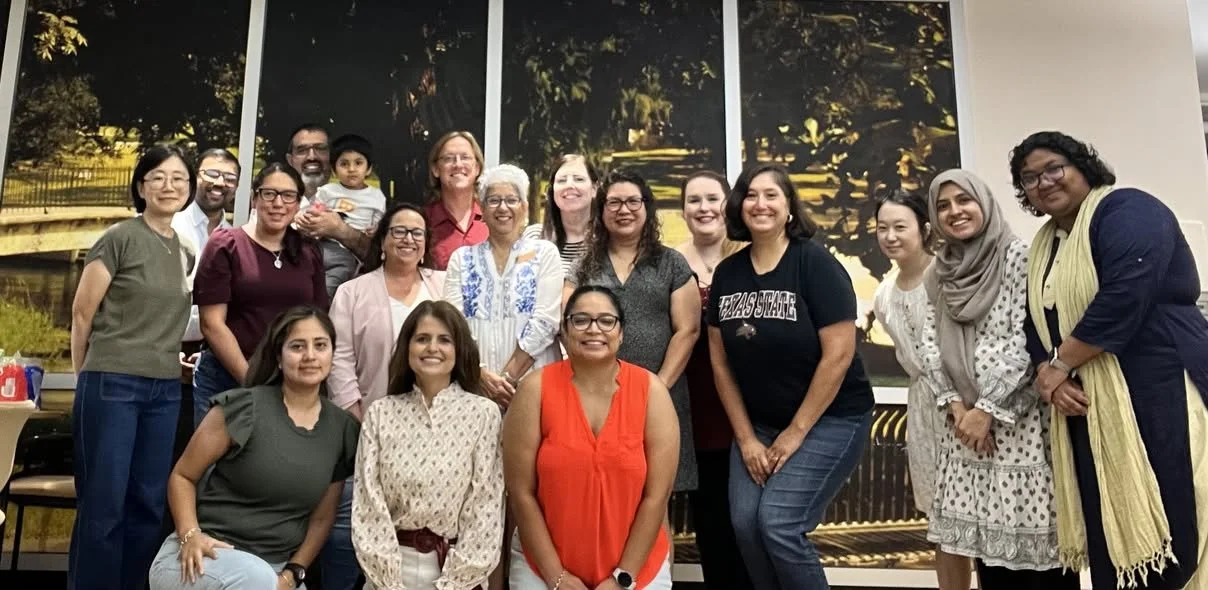
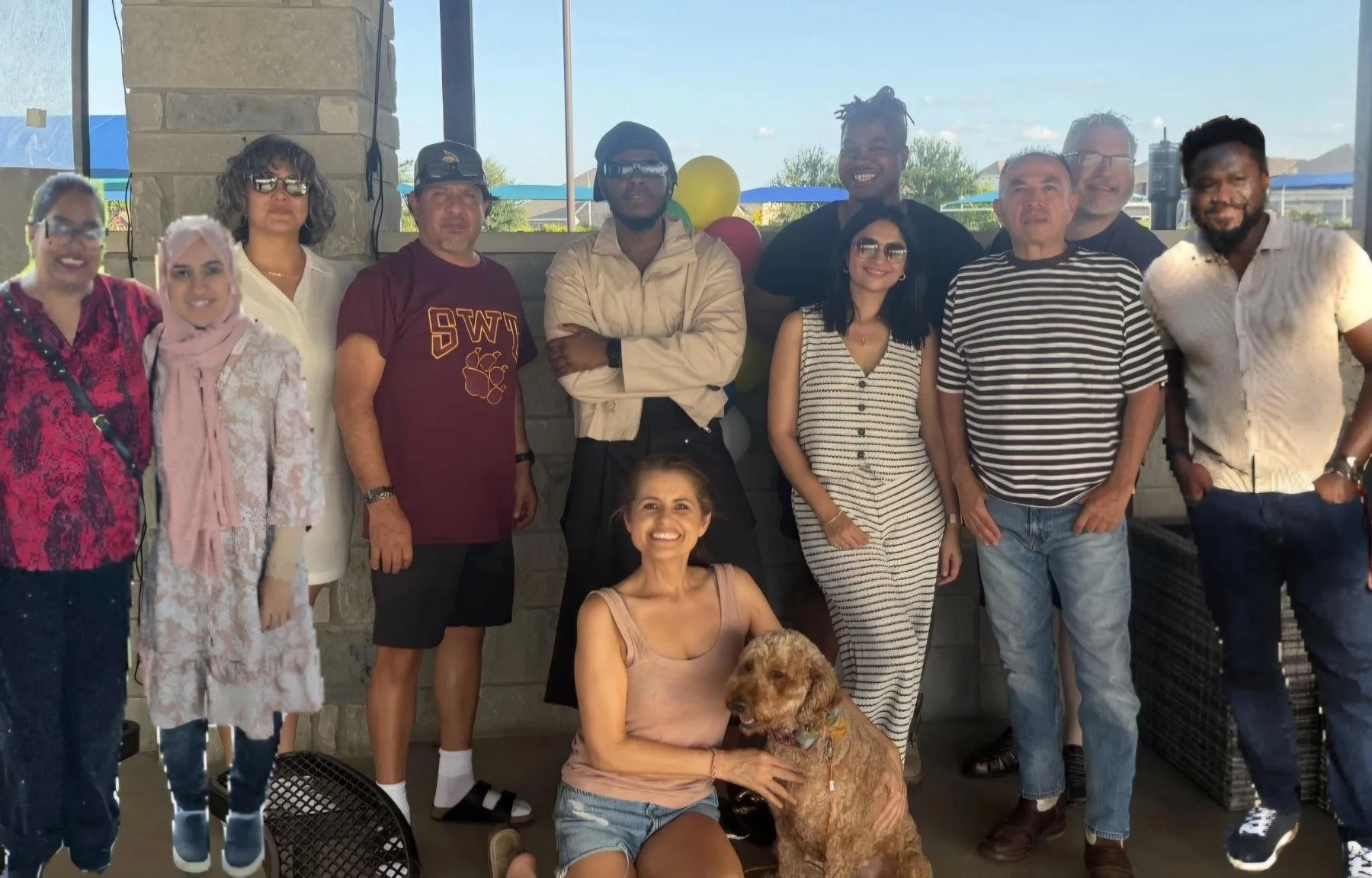
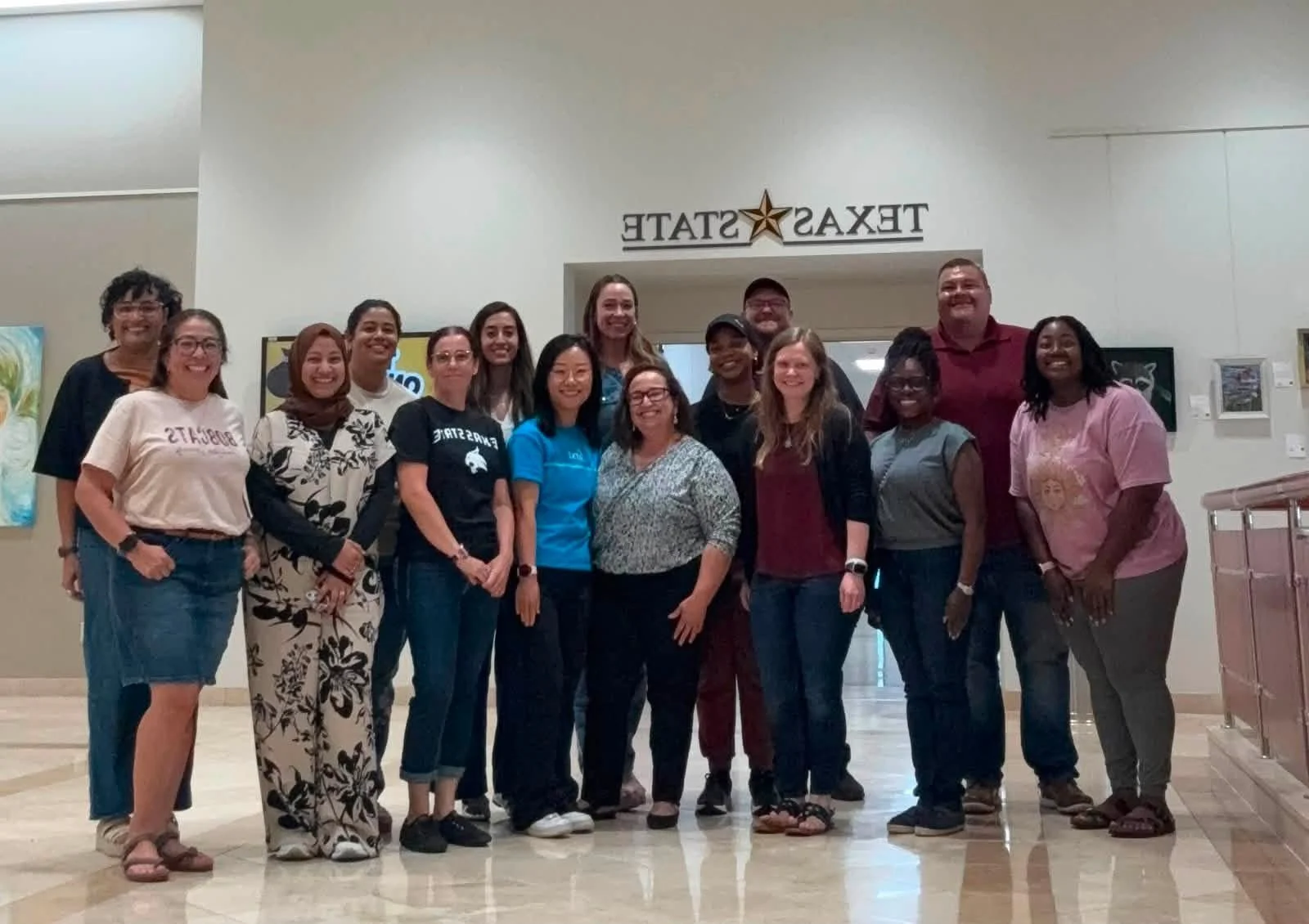
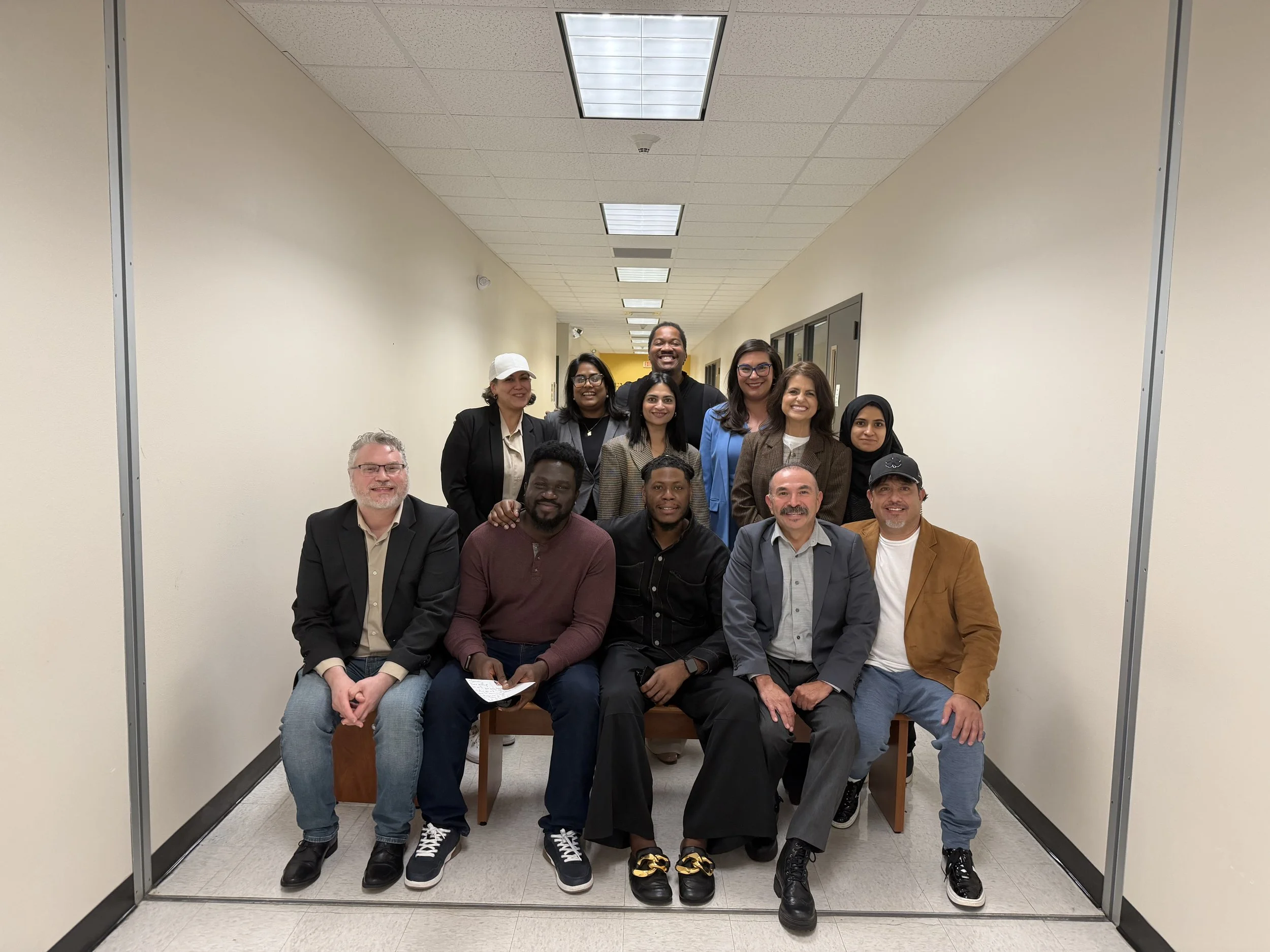
It all started when…
MISSION AND GOALS
Statement of Purpose
The mission of the Educational and Community Synergy (ECS) Graduate Student Organization at Texas State University is to provide social, academic, and professional support for Educational and Community Leadership (EDCL) graduate students and alumni. ECS cultivates learning, community, leadership, and transformative impact through the interconnected commitments to Grow, Connect, Lead, and Transform.
Goals
ECS shall organize its goals around four interconnected commitments: Grow, Connect, Lead, and Transform. Together, these commitments support learning, meaningful relationships, leadership development, and positive change within the university, the profession, and the community members served.
A. Grow-Cultivate Learning, Scholarship, and Development: ECS shall provide opportunities for members to grow academically, professionally, and personally through access to knowledge, research, mentorship, and diverse perspectives.
· Provide access to research and scholarship conducted by students, faculty, alumni, and the broader research community.
· Support diverse, innovative, interdisciplinary, and community-engaged approaches to student research and scholarship.
· Organize and promote seminars, mentoring programs, mini-symposiums, workshops, lectures, and other educational and professional development opportunities.
· Share relevant academic, research, conference, and professional development opportunities.
· Maintain appropriate digital platforms for access to academic, research, professional, and organizational resources.
B. Connect-Build Community, Relationships, and Belonging: ECS shall cultivate an inclusive community among EDCL graduate students, alumni, faculty, staff, and appropriate university and community partners.
· Conduct membership outreach and engagement activities, including a membership drive during the first month of each Fall semester.
· Maintain communication across cohorts, campuses, and the broader community so eligible students are aware of ECS and opportunities to participate.
· Organize community-building activities such as socials, mentoring opportunities, seminars, networking events, and other activities.
· Create opportunities for students and alumni to develop relationships across cohorts, areas of scholarship, professions, and communities.
· Promote events, publications, presentations, conferences, and other opportunities through ECS communication platforms.
· Foster connections among graduate students and the academic, professional, research, and community networks associated with EDCL.
C. Lead-Develop Leadership, Participation, and Collective Capacity: ECS shall provide meaningful opportunities for graduate students and alumni to participate, contribute, facilitate, mentor, and lead.
· Encourage participation in academic, professional, research, and community-engaged environments of Texas State University and beyond.
· Provide opportunities to serve on committees, working groups, project teams, and organizational initiatives.
· Support members in developing and leading programs, workshops, research initiatives, and community-engaged projects.
· Provide opportunities for mentoring and development of emerging leaders.
· Share collaborative opportunities related to Calls for Papers, conferences, presentations, publications, including AERA and UCEA.
· Provide opportunities for members to participate in governance, organizational decision-making, and leadership.
· Conduct elections for ECS officers in accordance with Article III.
· Review the Constitution and Bylaws periodically and propose amendments as needed.
D. Transform-Advance Equity, Advocacy, Scholarship, and Community Impact: ECS shall create opportunities for members to apply their learning, scholarship, relationships, and leadership toward meaningful change.
· Represent and advocate for graduate student interests, experiences, and perspectives within the College of Education and EDCL.
· Provide a process for members to communicate concerns, ideas, needs, and recommendations regarding the EDCL program.
· When appropriate, communicate collectively identified student concerns and recommendations to the EDCL program coordinators and other university representatives.
· Support research, scholarship, and community-engaged initiatives that address educational and social challenges.
· Connect scholarship and professional practice with equity, access, inclusion, community development, and educational transformation.
· Foster collaboration among students, faculty, alumni, university partners, and community organizations to advance shared goals and create sustainable impact.
· Encourage members to apply their knowledge and collective capacity to positive change in their communities, professions, institutions, and fields.